Closes of the Royal Mile
Closes of the Royal Mile in Edinburgh Old Town narrow historic alley Scotland
Closes of the Royal Mile: Exploring Edinburgh’s Hidden Alleys and Historic Secrets
The Royal Mile in Edinburgh, Scotland, is one of the most iconic historic streets in the UK, stretching from Edinburgh Castle to the Palace of Holyroodhouse. Yet beyond its famous landmarks lies a hidden world that many visitors overlook, the mysterious and atmospheric closes of the Royal Mile.
These narrow alleyways, steeped in centuries of history, offer a unique glimpse into Edinburgh’s Old Town, a UNESCO World Heritage Site, where stories of everyday life, industry, crime, and survival are etched into the very stone. Today, these hidden streets are among the most fascinating things to do in Edinburgh Old Town, especially for visitors seeking a deeper, more authentic experience of the city.
What Are the Closes of Edinburgh?
The term “close” comes from the Old Scots word for an enclosed passage. The closes in Edinburgh are narrow, winding alleyways that branch off the Royal Mile, often steep, shadowed, and framed by towering tenement buildings.
Many of these closes were once secured by gates, protecting residents and creating tight-knit communities within the bustling medieval city. Today, they remain some of the most fascinating hidden gems in Edinburgh, frequently explored on Guided Edinburgh Walking tours that focus on the city’s rich history and hidden locations.
Life Inside the Closes: A Medieval City Within Walls
During the 16th and 17th centuries, Edinburgh Old Town was a densely populated urban centre, confined within the Flodden Wall. With limited space to expand outward, the city grew vertically, resulting in some of the earliest high-rise living in Europe.
At its peak, over 20,000 residents lived within the city walls, many packed into more than 300 closes. These spaces were vibrant yet overcrowded, where merchants, craftsmen, nobility, and labourers lived side by side.
The names of the closes still reflect this diverse social fabric:
• Borthwick’s Close linked to noble residents
• Byres Close named after a wealthy merchant
• Chalmers Close associated with skilled tradespeople
• Milne Court representing refined urban living in historic Edinburgh
Each close tells a story, making them essential stops on any Edinburgh Walking Tour or Royal Mile history experience.
Stories, Legends and Everyday Life
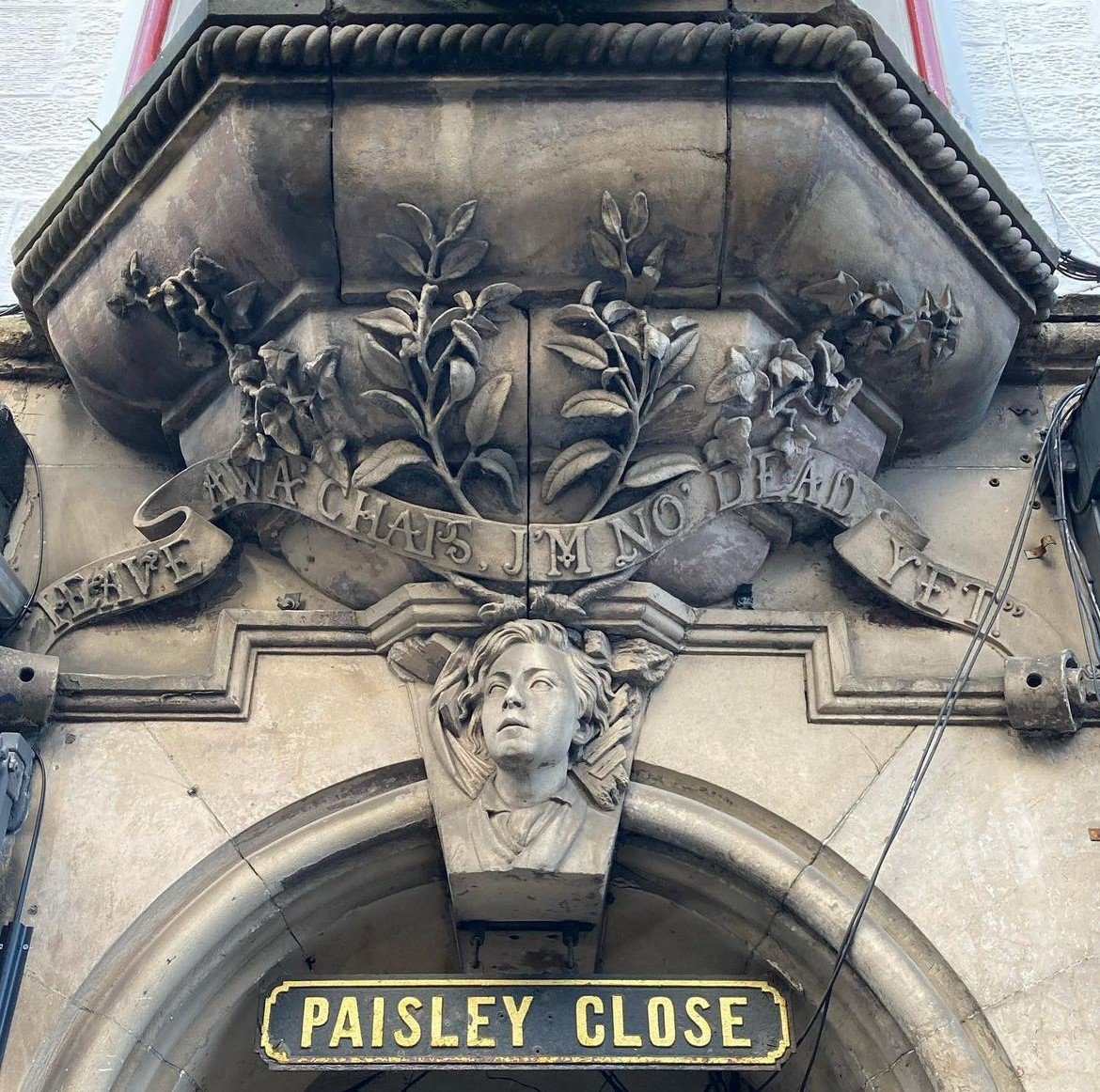
The closes are not only architectural features but living records of Edinburgh’s past. In Paisley Close, a tragic tenement collapse in 1861 revealed both the dangers of overcrowded living and the resilience of its people, remembered through the famous cry:
“heave awa lads, am no deed yet!”
Elsewhere, in Old Stamp Office Close, visitors might imagine the spectacle of elegant sedan chairs rushing through the narrow lanes, carrying Edinburgh’s elite to social gatherings.
However, life here was not without its hazards. One of the most infamous cries in Edinburgh history was “Gardyloo”, a warning shouted before waste was thrown from windows onto the streets below. This practice, later regulated by the Nastiness Act, highlights the challenging living conditions in historic Edinburgh.
Industry, Commerce and the Sights and Smells of the Past
The closes were also centres of industry and trade. From map making and printing to coin production at Mint Close, these alleyways powered Edinburgh’s economy.
Some closes were named after the trades that defined them:
• Fleshmarket Close where meat was sold
• Old Fish Market Close known for fish and poultry trade
• Bakehouse Close, home to bakers and brewers
These names offer insight into the sensory experience of the time, where the smells of food, industry, and overcrowding filled the air.
Today, these historic pathways connect visitors to some of the most historic places in Edinburgh, including attractions such as the Writers’ Museum on Lady Stair’s Close, blending Edinburgh’s literary heritage with its architectural charm.
Crime and Infamy in the Closes
The closes of the Royal Mile also hold darker stories, making them central to many Edinburgh ghost stories, ghost tours, and Edinburgh dark history experiences.
Criminal activity was never far away in such densely populated areas. The infamous Burke and Hare murders took place in these very streets, including the killing of Mary Paterson in Gibbs Close in 1828.
Another notorious figure, Deacon William Brodie, lived near Brodie’s Close. A respected cabinet maker by day and a criminal by night, his double life has become one of the most famous stories in Edinburgh’s crime history.
From Old Town to New Town: The Evolution of Edinburgh
Following the Acts of Union in 1707 and the development of Edinburgh New Town, the city began to expand beyond its crowded medieval core. Wealthier residents gradually moved out, leaving the Old Town closes to decline before later regeneration.
Despite these changes, the closes remain an integral part of Edinburgh tourism, offering an immersive experience into the city’s layered past.
Discover the Closes with Heritage Guides
Exploring the closes of the Royal Mile is one of the best ways to uncover the authentic character of Edinburgh, Scotland. From hidden courtyards to stories of resilience, crime, and community, these alleyways reveal a side of the city that goes far beyond its landmarks.
Whether you are interested in Edinburgh history, walking tours, or uncovering hidden locations, the closes provide an unforgettable journey through time. Many of these locations are key highlights on Edinburgh Walking Tours and immersive Specialist Experiences in Edinburgh, helping visitors connect with the city in a truly unique way.
David - Heritage Guides